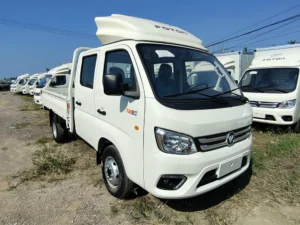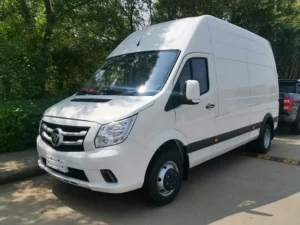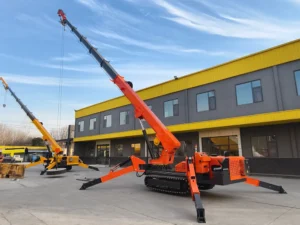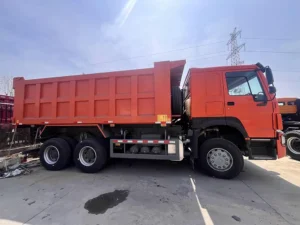
A wise choice when investing in a used truck can make all the difference to your business. Whether you’re purchasing your first truck or adding to a growing fleet, there are several key steps that can help you purchase the best value.
Assess Your Business Needs
When it comes to trucks, there is no one-size-fits-all answer. Begin by really considering the things that your business actually does need. This is the honest insight that should precede falling in love with a shiny model or beguiling price.
Pinpoint the Main Purpose
Why do you need this truck? Knowing what the main job or jobs you want it to perform will help guide your decision.
Long-distance hauling
If you will transport goods between cities — or cross borders — a tractor unit with sleeper cab and powerful engine that delivers good fuel economy is indispensable.
Construction or mining
Rough terrains are your working area? A rugged chassis and the kind of ground clearance that construction sites demand are traits a dump truck or tipper can handle.
Urban deliveries
Staying on city streets? Trucks that are smaller, lighter weight and easier to maneuver will assist drivers as they host deliveries on busy streets and make more stops with less hassle.
Know Your Cargo
Don’t forget what you are going to carry. Its dimensions and the nature of its weight will determine what’s right for you.
Bulk vs. weight
Do you have shipments that are light but take up a lot of room, or are dense and heavy? The solution has an impact not only on truck size, but also axle configuration and engine power.
Payload
Always look at the GCW rating. The right truck will be able to safely hold your normal loads, then it should have some extra room for when you’re busier.
Focus on Technical Essentials
Once you have an idea what you’re looking for, it’s time to get deeper. A keen eye and a series of the right questions can spare you from future headaches, however.
Engine and Transmission
In the tough conditions often found in Africa, a tried-and-true engine is worth more than new tech.
Inspect the engine
Do you see any signs of oil leaks, unusual noises or too much smoke? If the seller supplies engine hours, what those numbers indicate in terms of wear and tear.
Mechanical or electronic
Plenty of African operators also like simple, mechanical engines — easier to fix, local shops will hold the parts. Diesel engines get better fuel mileage, but repairs can be specialized.
Manual or automatic
Manual transmissions are known to last longer and be easier to work on, which is useful where knowledge and replacement parts may be scarce.
Chassis, Suspension, and Tires
Keep in mind, these components bear the brunt of punishment on the road. Don’t cut corners here.
No rattling Allowed Current Chassis status
Inspect the complete skeleton for rust, crack or welded fixes. Significant damage here can be a deal-breaker.
Suspension
How are the leaf springs and shock absorbers? A firm suspension is necessary for transporting heavy loads on rough terrain.
Tires
Check the tread depth, examine whether wear is even across the tire. Irregular designs could be a sign of suspension or alignment problems. Great tires save money and keep your fleet on the road.
Dig Into the Truck’s History
A little snooping around can tell you quite a bit about what shape the truck is in now and how it’s likely to perform for you.
Service Records and Past Use
Ask to see service records. Trucks under the regular care of a professional are many, many miles more likely to keep on going. You can find clues about replaced parts and problems that cropped up repeatedly in the maintenance logs.
On-Site Checks
It’s always a good idea to take a look at the truck in person, or have a trusted technician check it out if you’re not able.
Cabin
A clean, well-kept interior is usually indicative of a good owner. But beat-up seats and nonfunctioning controls usually indicate the opposite.
Electric
Check all of the lights and gauges.
Conclusion
The right truck won’t just complete the job, it can also save you money on costs, increase productivity and even prevent headaches later down the line.