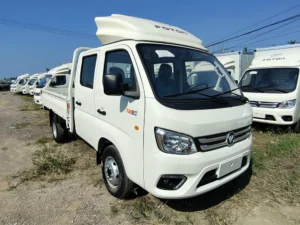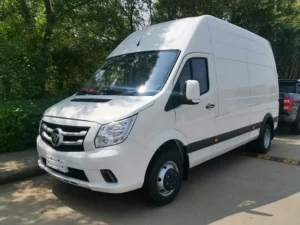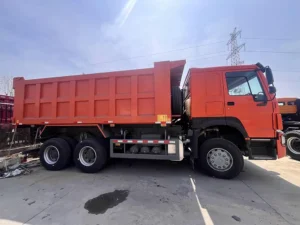
Nairobi, early 2022. David — twelve years in logistics, sharp enough to run three profitable routes simultaneously — walks into a dealer yard off Lusaka Road and buys three used trucks. Inspects them himself. Price is fair. Paperwork looks clean. He’s done this before.
Eight months later, two of those trucks are sitting dead in a yard outside Mombasa. Blown engines, both of them. The inspection missed severe internal wear — the kind that only surfaces after sustained highway load, not a walk-around in a dealer yard.
Fourteen months of profit from those two vehicles. Gone.
Here’s what made it worse: those two trucks were Japanese-brand units, parts were slow to source, and the local mechanics who knew the model well enough to do the job right were booked out for weeks. David told us later — if he’d been running Sinotruk HOWO, he’d have had parts on a shelf in Nairobi within three days.
Twenty years of sourcing and exporting used trucks has shown us one pattern, over and over: operators who standardize on the right platform spend less time managing problems and more time moving cargo. In East Africa, HOWO has quietly become the default choice for fleets that actually need to stay on the road.
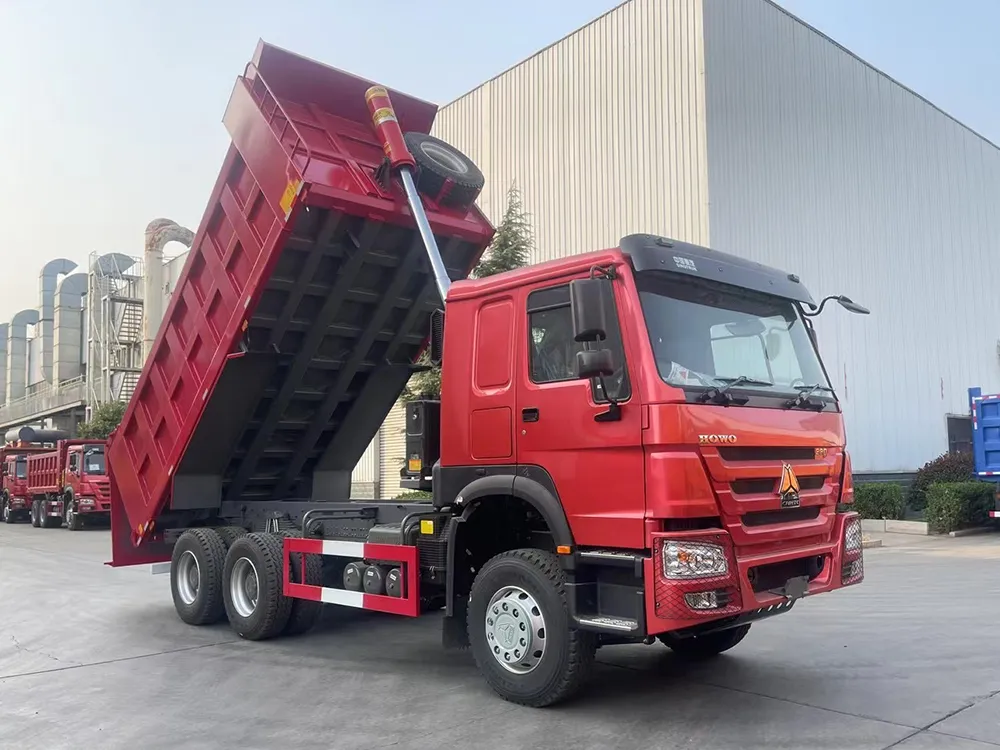
Why Sinotruk HOWO Dominates the East Africa Market
Walk the truck parks along Mombasa Road on any given morning. Count the bonnets. HOWO units — in various ages and configurations — outnumber most other brands by a significant margin. That didn’t happen by accident.
Three things drive it: parts availability, driver familiarity, and total cost of operation over a realistic fleet lifespan.
Parts Are Everywhere — and That Matters More Than You Think
A truck that breaks down 400 kilometers from Nairobi is only as good as how fast you can fix it. With Sinotruk HOWO, the parts network across Kenya runs deep. Nairobi, Mombasa, Eldoret, Kisumu — stockists carry common wear items as standard. Engines, gearboxes, axle components, cabin parts.
One day to get back on the road versus seven days sitting idle — that’s not a minor inconvenience for a fleet running tight delivery schedules. That’s the difference between a profitable month and an ugly conversation with your clients.
Drivers Know It
Mechanical familiarity is underrated as a buying criterion. Most operators focus on specs and price, but a driver who’s put 300,000 km on a HOWO reads the truck differently than someone learning a new platform mid-haul — catching the gearbox groan that means something, feeling the brake pull before it becomes a problem. That kind of road intelligence doesn’t show up on a spec sheet, but it shows up in your maintenance bill.
Kenya has enough experienced HOWO drivers and mechanics that switching costs, when moving from another platform, are minimal. That’s a real operational advantage that compounds over time.
The Numbers Work Over Time
Well, let’s be honest about this. A Sinotruk HOWO used truck is not the cheapest vehicle in the yard on day one. But fleet economics aren’t decided on day one.
Factor in parts costs over three years. Factor in downtime. Factor in resale value in the East African secondary market, where HOWO units hold value reasonably well precisely because demand is steady. The total cost of operation — not the purchase price — is what determines whether a truck makes money or costs money.
Operators we’ve worked with in Kenya, Uganda, and Tanzania who switched to standardized HOWO fleets consistently report lower per-kilometer operating costs within the first eighteen months. Not because the trucks are perfect. Because the support ecosystem around them is mature.
What to Check on a Used Sinotruk HOWO
Buying a used truck in Kenya means doing the work regardless of brand. HOWO units are no exception.
Engine — the WD615 and D10 Series
Most HOWO trucks circulating in Kenya run either the WD615 or the later D10 series. Both are well-understood locally, which is part of their appeal. On inspection: pull the oil cap and look for creamy residue — that’s coolant contamination, and it points to head gasket failure or worse. Run a compression test across all cylinders. Listen for injector knock under load.
High mileage alone doesn’t disqualify a unit — plenty of well-maintained HOWOs are still earning at 600,000 km. Deferred maintenance is the real killer, and it shows up fast once you put the truck under proper load.
Gearbox and Driveline
The HW series gearbox has a strong reputation, but that reputation gets tested on high-mileage units where synchros have been worn down by years of hard shifting. Don’t test the gearbox in a yard — get it on a real road, under real load. A gear that slips at 80 km/h with 20 tons behind it tells you something a yard test never will.
Chassis and Frame
Get underneath. Check the crossmembers, the rear suspension mounts, and the area around the fifth wheel on tractor units. Weld repairs are not automatically disqualifying — these trucks work hard — but undisclosed repairs are a red flag. Ask directly. If the seller can’t explain what was repaired and why, that’s the answer.
Documentation
Match the chassis number on the vehicle — physically, against the stamped plate — to the logbook. Pull KRA records for outstanding duties or encumbrances. If the truck previously belonged to a company, confirm no financing is still attached. A clean used truck with unclear paperwork creates problems that cost more to resolve than the vehicle is worth.
Import Regulations: Know Before You Buy
Kenya caps imported used commercial vehicles at eight years from the date of manufacture — not first registration, actual build date. Those two figures don’t always match, and the difference can flip a compliant unit into a customs problem at the port. Check the chassis plate yourself. Don’t rely on what’s typed into a form.
On axle loading: Kenyan national highways allow 8,200 kg per axle. Worth knowing because some HOWO configurations built for the Chinese domestic market run heavier axle ratings — legal there, potentially not here. Sort that out before the truck goes into service, not after a weigh-station inspection.
Planning to re-export into Uganda, Tanzania, or Rwanda? Don’t assume Kenyan clearance carries across borders. Each country sets its own age limits and duty structures, and the gaps between them are wide enough to create real compliance problems. Map out every market on your route before the purchase is finalized.
Why Source Through a Specialist, Not a Local Yard
Here’s the thing about the Kenyan used truck market: good inventory exists, but so does inventory that’s been cycled through enough owners that the history is genuinely unclear. A HOWO used truck sourced directly from China — through an exporter who has worked with Sinotruk for years — arrives with verifiable mileage, documented service history where available, and condition that hasn’t been dressed up for a local sale.
The price gap between a verified direct-source unit and a locally traded one is smaller than most buyers expect. Once you factor in the repair costs that surface in the first year of operation on a poorly sourced vehicle, the gap often inverts entirely.
We’ve specialized in Sinotruk HOWO used trucks for twenty years. We know which model years to prioritize, which configurations hold up best on East African routes, and which units to walk away from regardless of price. That institutional knowledge is what you’re buying when you work with a specialist rather than a general dealer.