How to Find the Best Used Truck for Your Construction Company? Opting for used trucks for your construction business is a big investment. The perfect truck can increase crew efficiency and complete any project you send them on. On the other hand, a bad model will result in delay of projects, cost overruns and post-construction maintenance issues.
All brands and models can make it hard to choose. But using a methodical, step-by-step process can help you find the best possible match for your site-specific requirements and budget. This is not a tutorial for benchmarking on Spark, but rather walking through the benchmark process step-by-step and concentrating in core models often used in construction industry.
Outline Your Major Construction Requirements
Before browsing through any particular models, you need to determine the sort of mission that will be undertaken by your truck. The end user needs of construction sites can be very diverse, and it’s crucial to understand this when selecting a model.
Analyze Your Daily Tasks
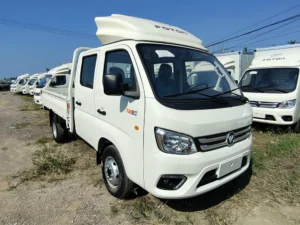
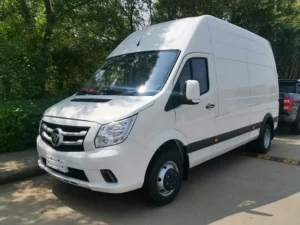
What we need to consider is: What will be the main trucking load? Is it going to be transporting sand, gravel, building materials or heavy machinery, towing a trailer? Your load capacity is your biggest metric. At the same time, the size and nature of what you’re transporting will dictate which type of bodywork is required –ie: dump truck, flatbed truck or crane truck.
Assess Your Typical Operating Environment
Next, you have to think about where in the world your truck is going to be. Will it mostly work on rough and tough off-road construction sites or transport materials on city roads? “Off-road operations demand first class off- road capability, clear superior ground clearance and a rugged chassis. City driving places an emphasis on maneuverability, fuel consumption and conformity with the emission standard.
Develop a Comprehensive Budget Framework
Finally, establish a realistic budget. In addition to the price you paid for the property, revenues need to cover taxes, insurance and transfer fees, as well as a first maintenance reserve. A used truck might need new tires right away, or it might need a major repair, so make sure you budget for this upfront.
Construction Industry Vehicle Evaluation
With your needs in mind, you can concentrate on models that have been tested and recommended by other construction professionals. Different brands and series of computers have their strengths.
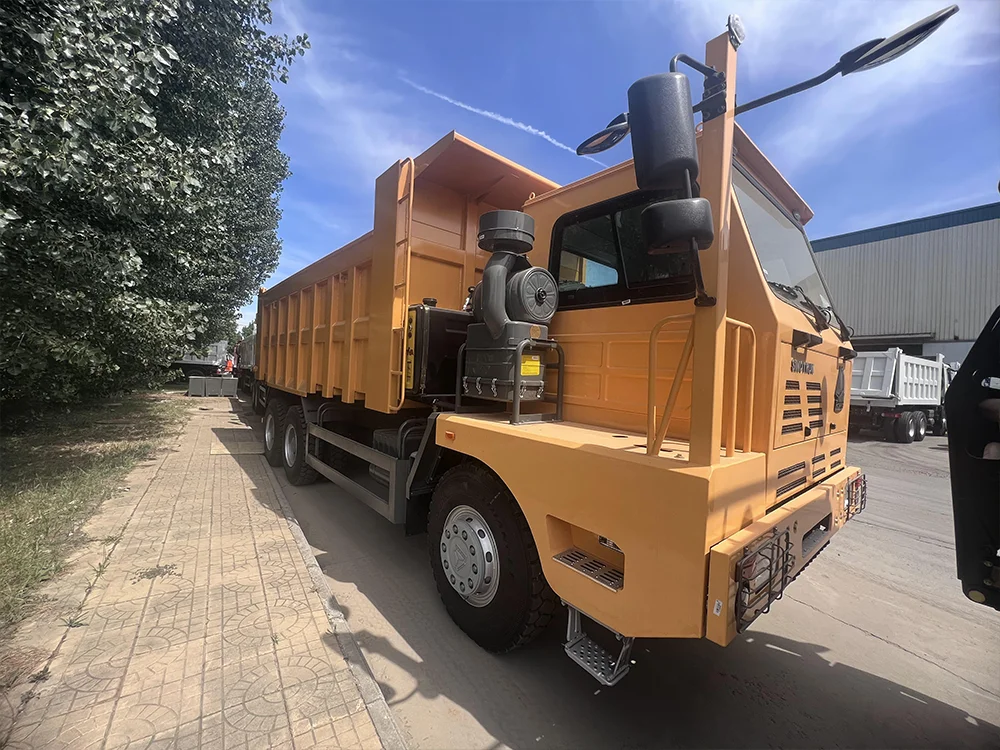
Consider Heavy-Duty Dump Trucks
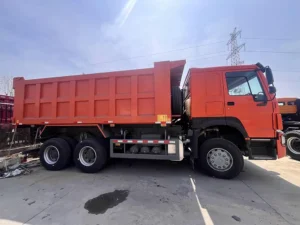
Traditional dump trucks remain the most widely used vehicle for earthmoving and bulk material handling. As you search, consider buying brands and series that are reputed to last. At the meanwhile be sure to inspect carefully, whether the hydraulic hoist system works well and without oil leakage, and whether reinforced in cargo box floor and side plates, as well as the rust degree.
Evaluate Multi-Purpose Flatbed Trucks
For the transportation of heavy equipment, building materials, or containers – flatbed trucks provide versatility. Search for models that have strong tailgates/ladders and solid tie-down points. You’ll also want to see if the truck chassis is in good condition and has a load rating that’s rated for the heaviest load you’re going to haul.
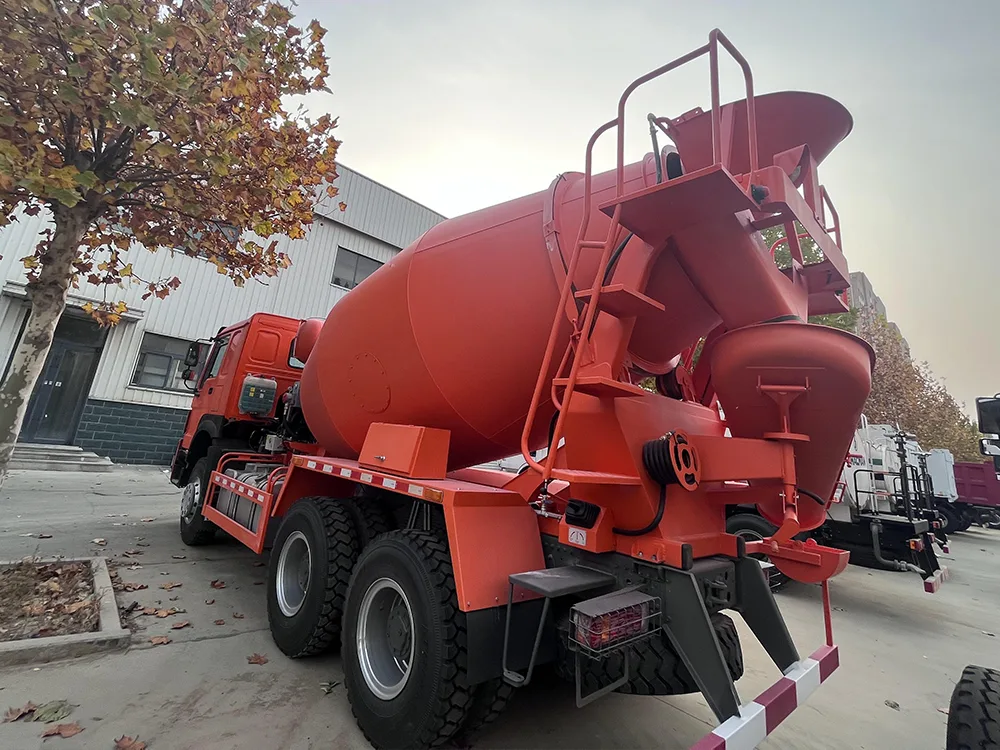
Learn About Mixer Trucks & Specialty Vehicles
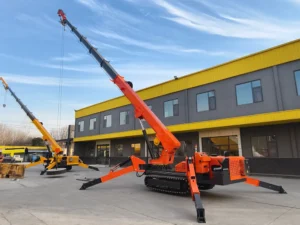
For any concrete operation, a second hand mixer truck is the best and professional choice. You should ensure that the drum of the mixer truck’s mechanical drive system and its mixing drum are in good working order. For other specialized duties, including higher elevation work, you could look at trucks that come with truck-mounted cranes (truck-outfitted cranes), though the mechanical condition and safety certificates of these kinds of crane need to be probed for by an appropriate company.

A comprehensive inspection of the construction site is required
Once you have selected the brand/model of vehicle you wish to purchase, a thorough inspection is necessary. Construction machinery and equipment undergo rigorous testing and boast superior performance.
Get and Read Vehicle History Reports
Make sure to acquire the history report via the VIN. The report also shows if the vehicle has been leased, maintained regularly and was part of an accident or flood history. A uniform company maintenance record is a real plus for construction trucks.
Conduct a strict mechanical and structural examination
We highly recommend to obtain an independent trained mechanic who has experience with commercial vehicles to come and inspect (for local appointments ring/e-mail for time & date). The inspection should concentrate on the: engine and transmission (try to detect oil leaks or strange noises), the chassis and frame (search for cracks, heavy rusting, or bending), as well as brakes and suspension system. Be sure to look in the cab and verify that controls and gauges are functioning correctly, too – it will help driver productivity.
Book a test drive under construction site like conditions
Test drives should never be taken solely on flat roads. If you can, get to a spot where you can check its low speed grunt (eg on hills), steering response and braking ability in safety. Try the clutch (if it’s a manual) to see if ti is heavy, and check for any weird noises from the body on rough roads. These photos will clearly show the condition of the vehicle.
Take a well-informed final stand
Once all the inspections are done, all the information is there to compile, and make an educated decision on purchasing, and planning for… periods.
Negotiate Based on Inspection Results
Demostrate specific mechanicals found during inspections, in car condition reports and history results as a negotiation point.
Guarantee A Comprehensive Ownership & Compliance Documentation
Ensure documentation is legal and valid, particularly for heavy- duty trucks. Make sure you’re familiar with local emission guidelines and operating permit conditions, meaning you won’t end up with a vehicle that can’t be driven down the road.
Immediate Post-Purchase Maintenance and Long-Term Management Plan
On handover, it was recommended that a full fluid change and basic maintenance be done to set up the next regime. At the same time, start keeping a dedicated “maintenance” log for this truck where you write up any work or servicing done to the vehicle. Good record keeping does not only maintain vehicle value but also help in making long term cost analysis.
Conclusion: Invest in Reliable Productivity
Locating the best used truck for your construction company is essential — ensuring your resources are spent wisely on a vehicle that will deliver to your specific line of work. By analyzing the requirements, researching classic models, carrying out extended inspection and properly closing a deal, you are not buying just a way of transportation but an asset for productivity that will bring success to your company as each project works successfully. With a little research time, you and your crew will be ready to take the next work order with confidence.