Nowadays, many logistics companies, engineering teams, and small and medium-sized businesses choose to import used trucks from overseas to cut costs and expand their fleets. Compared with brand-new vehicles, reliable used imported trucks offer much better cost performance with stable performance, perfectly fitting daily transportation and construction site operations. They help businesses save a huge amount of budget on new vehicle purchases.
However, overseas used trucks import is never a simple deal. It comes with strict policy restrictions, tricky hidden vehicle issues, and various miscellaneous hidden costs. If you rush into a purchase without sufficient preparation, you will easily face customs clearance delays, fines, non-compliant trucks that cannot be registered or operated, and even suffer huge losses. To ensure a smooth import process and avoid common pitfalls, you must focus on these five key factors in advance.
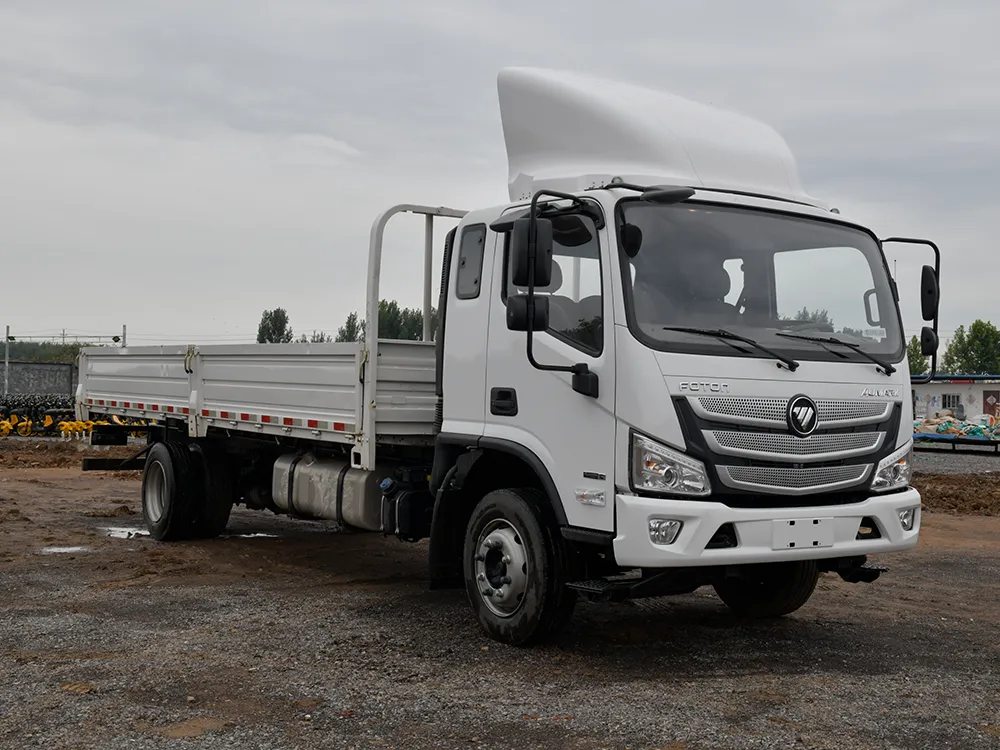
used trucks
Local Import Rules and Compliance Standards
Regional Differences in Import Restrictions
Before bringing in used trucks from overseas, importers need to first clarify the import regulations of the receiving nation. Import terms differ drastically from one territory to another, yet lots of novice traders tend to skip this critical step. Nearly all nations put tight restrictions on imported commercial trucks, with core constraints covering vehicle service life, exhaust emission benchmarks plus assorted certification prerequisites.
Take real market cases for reference: Indonesia restricts inbound used trucks to those less than five years old that satisfy Euro IV emission norms. Vietnam applies differentiated age caps ranging from five to seven years in line with truck categories. Several African markets including Kenya and Tanzania bar trucks older than eight years from clearing customs. If businesses skip pre-verification of local import rules, their shipments will end up being turned away upon arriving at the port.
Increasingly Strict Global Emission Standards
Apart from age limits, global environmental regulations are getting tighter year by year with stricter inspections. Currently, mainstream markets including Europe, the Middle East, and Southeast Asia require imported vehicles to meet Euro V or Euro VI emission standards. Any non-compliant trucks will be refused entry. Before purchasing, you must carefully check whether the truck’s engine and exhaust system comply with local latest regulations. Failed compliance checks will result in cargo return, heavy fines, delayed projects, and unnecessary economic losses.
Vehicle Condition Inspection and Maintenance History Check
Hidden Risks of Used Trucks
The biggest risk of buying overseas used trucks lies in invisible hidden faults. Unlike domestic vehicle purchases with convenient on-site inspection and after-sales support, cross-border transactions have almost no after-sales protection. Once the used trucks is shipped and arrives at the port, it is almost impossible to safeguard your rights even if you find problems. Many overseas sellers disguise problematic trucks with high mileage, accident records, and poor maintenance as well-conditioned stock through simple refurbishment, attracting buyers with low prices. New importers are extremely likely to fall into these traps.
Practical Pre-Purchase Inspection Methods
Never trust sellers’ verbal descriptions blindly. You must take the initiative to ask for complete and authentic documents, including full maintenance records, accident inspection reports, and chassis quality certificates. Always verify the real mileage through official factory service records and driving data to avoid odometer-adjusted trucks. Focus on checking core components such as the engine, gearbox, brake system, and hydraulic system for dump trucks. For high-value heavy-duty trucks, the safest choice is to hire a local professional third-party inspection agency for on-site checking to eliminate hidden mechanical risks from the source.
Full Cost Calculation Including Tariffs and Taxes
Breakdown of Total Landed Costs
Lots of first-time used truck importers work out costs based merely on the truck’s original buying cost, only to run into overspent budgets and thinner profit margins once goods arrive at destination ports. Bear in mind that landed spending for used trucks imports goes well beyond the initial procurement cost. Additional outlays include import customs duties, VAT, environmental administrative charges, sea shipment fees, cargo insurance premiums, customs agent service fees and commodity testing costs alongside sundry small expenditures. Itemizing every single expense upfront helps traders precisely assess whether a trading order can turn a profit.
Regional Tariff Standards and Preferential Policies
Import duty levies vary sharply between individual nations, which makes country-specific market research a must ahead of placing bulk orders. In African markets including Nigeria, Tanzania and Zambia, combined tax burdens for inbound used trucks range from 20% up to 45%, with exact rates adjusted by engine capacity and vehicle age. In most instances, aging trucks incur heavier tax bills, whereas units under five years in service qualify for the best available tax breaks. It’s also worthwhile tracking regional trade incentives, for example tariff exemption or deduction schemes rolled out by ECOWAS. Properly leveraging these treaty perks effectively cuts overall spending and locks in steady earnings for your import business.
Credibility of Overseas Suppliers and Exporters
Potential Risks of Unregulated Suppliers
Choosing the right supplier means half the success. The overseas used truck market is uneven, filled with numerous small agents and untrustworthy sellers. Many unscrupulous merchants forge documents, conceal real vehicle conditions, and sell accident or faulty trucks as high-quality stock. Cooperating with such suppliers will not only lead to poor vehicle quality, but also cause document invalidity, customs clearance failures, and other troubles that bring real economic losses.
Selection Criteria for Reliable and Qualified Exporters
Before signing formal contracts, strictly verify suppliers’ official qualifications, real customer reviews, and previous export cases. Prioritize regular exporters with complete documents, transparent vehicle information, and basic after-sales support. Avoid unqualified individual sellers and small brokers at all costs. They have no standardized export procedures and cannot guarantee the authenticity of documents, which often results in cargo detention at ports and failed customs clearance, wasting both time and money.
Complete Document Preparation and Logistics Arrangement
Essential Documents for Smooth Customs Clearance
Full, matching paperwork is the key to hassle-free customs release. A large share of cargo hold-ups and port storage fines stem from incomplete papers or mismatched data. Basic mandatory paperwork covers original vehicle title, commercial invoice, ocean bill of lading, exporter’s customs declaration, vehicle certification papers and emission inspection reports. One critical detail worth noting: chassis code, engine serial number and production date have to tally exactly on every document and match the physical truck; any discrepancy will result in failed customs clearance.
Professional Shipping and Logistics Solutions
Well-planned logistics is another vital part of used truck import work. Roll-on/Roll-off vessel transport remains the industry’s top pick for bulky commercial trucks thanks to its solid safety level and reasonable cost. It’s wise to partner with seasoned freight forwarders familiar with destination country’s local customs laws. These agents can tweak transit routes, stick to scheduled shipment dates and mitigate common hazards including vehicle scratch damage or customs seizure. When paperwork is fully ready and logistics layout finalized, clearance speed will rise noticeably and goods can arrive as scheduled.
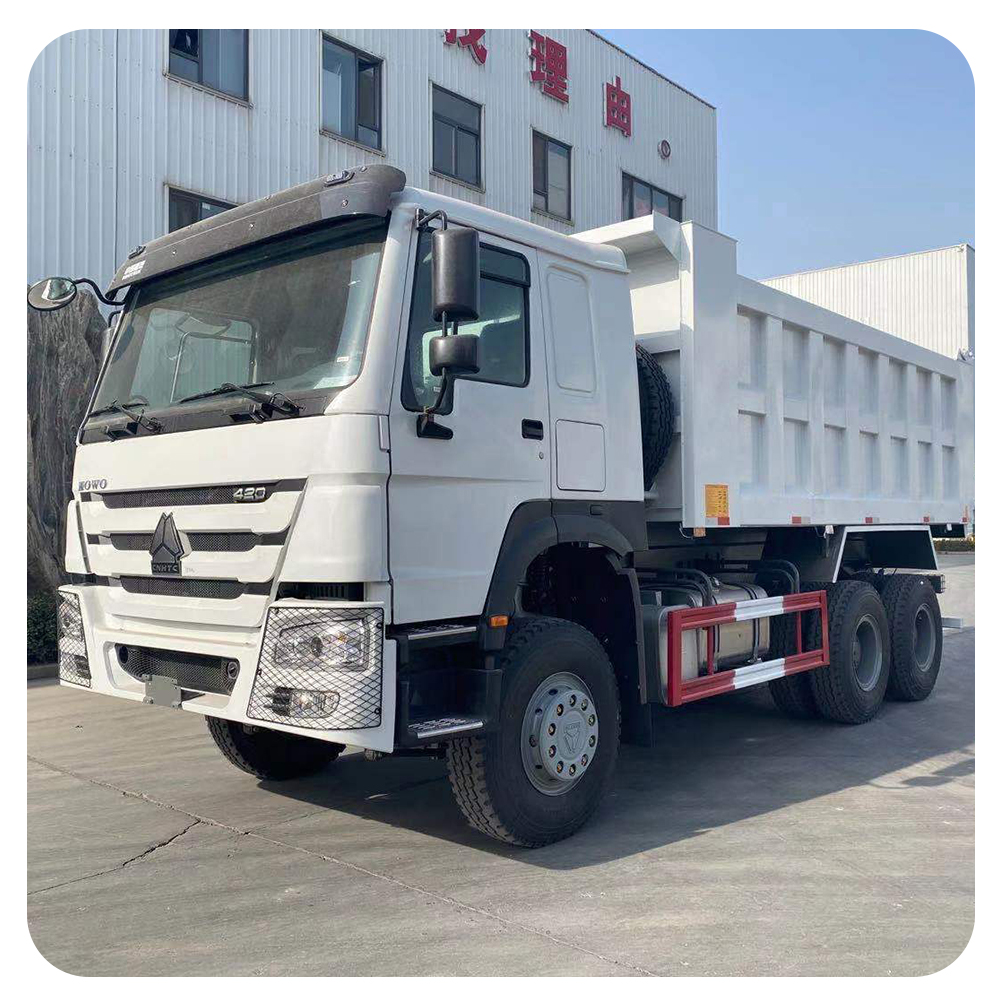
used trucks
Final Conclusion
In short, importing used trucks is a highly cost-effective business, but you should never take chances or blindly chase low prices. The success of the business depends entirely on detailed pre-purchase preparation and risk control. Checking compliance policies, verifying real vehicle conditions, calculating full landed costs, selecting reliable suppliers, and arranging documents and logistics properly are all indispensable links. Grasping these key points can help you avoid most cross-border import risks, stabilize profits, and run your used truck import business steadily and sustainably.