For all practitioners entering the freight industry, including independent truckers and owners of small transport fleets, vehicle selection is a critical first step in starting a freight business. Most truckers struggle with a core question: is it more cost-effective to buy a new truck or a used truck for freight operations? There is no absolute answer to this question. The ideal choice varies significantly based on business models, budget, driving experience, and transport scenarios.
New trucks deliver reliable performance but require high upfront investment, while used trucks offer outstanding cost performance and faster capital recovery yet come with hidden industry pitfalls and vehicle condition risks. Many new entrants blindly follow trends in vehicle purchases, ending up burdened with heavy vehicle loans or buying problematic salvage trucks that lead to operational losses and downtime. This article comprehensively analyzes the advantages and disadvantages of new and used trucks from four dimensions: cost, risk, profit, and application scenarios, helping truckers make targeted vehicle choices and avoid common entry mistakes.
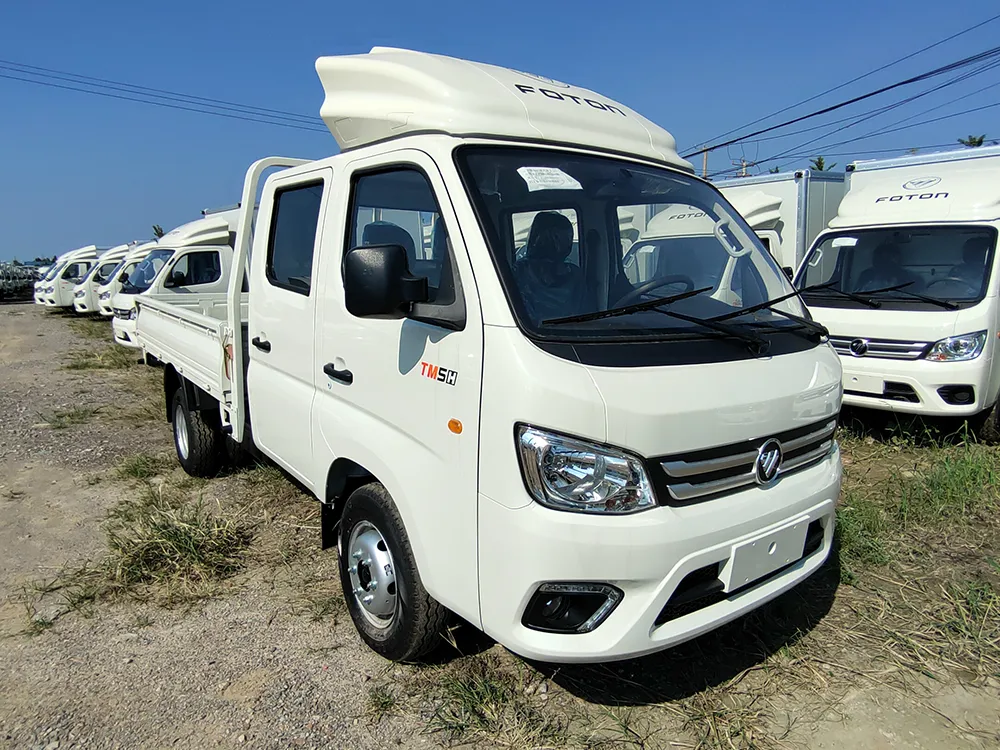
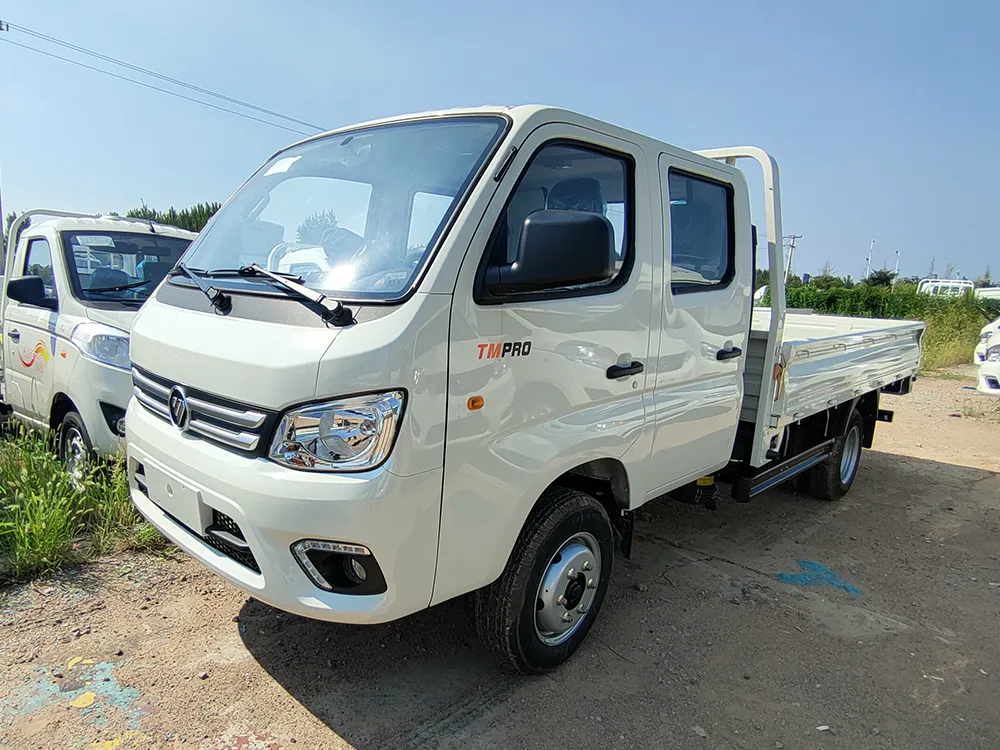
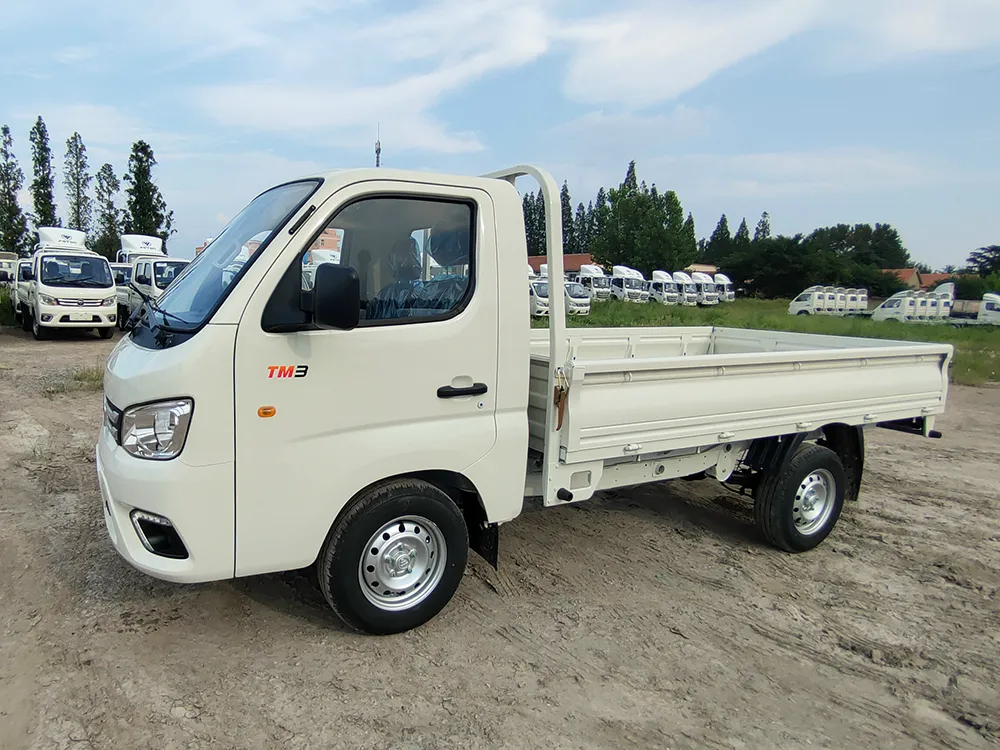
Used Trucks: A Cost-Effective Choice for Freight Newcomers
Used trucks are the mainstream choice for individual haulers, industry newcomers, short-distance green logistics, and construction bulk cargo transportation. Their core strengths lie in low costs, fast investment returns, and high flexibility, making them ideal for practitioners pursuing short-term profits with limited budgets.
Core Advantages of Used Trucks
Low Entry Threshold and Minimal Financial Pressure
A brand-new truck costs hundreds of thousands of RMB, with heavy-duty trucks carrying even higher price tags. For ordinary independent truckers, full payment is financially overwhelming, while installment loans result in long-term monthly repayment burdens. In contrast, used trucks cover a wide price range, with qualified light and medium-duty trucks available for just tens of thousands of RMB to meet basic freight needs.
The low total price and down payment requirements greatly lower the industry entry barrier. Newcomers do not need to exhaust all their savings or take on high loan risks. Even if they switch careers or replace vehicles later, the financial loss is controllable, perfectly suiting beginners testing the waters in the freight industry.
Low Depreciation Cost to Avoid Substantial Losses
As commercial operating vehicles, trucks depreciate far faster than private passenger cars. New trucks experience the most severe depreciation in the first three years, with an annual depreciation rate of 15% to 25%, resulting in substantial annual financial losses. Used trucks have already passed this peak depreciation period, with their market values remaining relatively stable.
Mature used trucks with 3 to 5 years of service see a sharp slowdown in subsequent depreciation. Reselling such a truck after one year of operation only incurs a loss of several thousand to twenty thousand RMB. Compared with the tens of thousands of annual depreciation losses of new trucks, used trucks effectively reduce implicit costs and significantly improve overall profit margins.
Short Payback Period for Flexible Short-Term Operations
The freight industry is highly volatile, with unstable cargo sources and fluctuating freight rates. Many truckers remain unsure about long-term industry engagement and adopt a wait-and-see attitude. With low investment costs and operational pressure, used trucks can generate profits and cost recovery even in sluggish market conditions.
While new trucks require 2 to 3 years to recoup investment, high-quality used trucks can achieve full cost recovery in approximately one year, with subsequent revenue becoming pure profit. They are highly suitable for practitioners engaged in short-distance transportation, ad-hoc orders, and seasonal freight services.
Core Disadvantages and Risks of Used Trucks
Uneven Vehicle Conditions and High Risk of Scams
The used truck market is fraught with uncertainties. Inexperienced new buyers are highly likely to purchase vehicles with altered mileage, accident damage, water immersion, or major overhauls. Many dealers cover vehicle defects through surface repainting, mileage tampering, accident damage restoration, and engine cleaning, which are difficult for beginners to identify. Such problematic vehicles suffer frequent breakdowns in later use, leading to delayed orders, high maintenance costs, and net losses.
Unstable Maintenance Costs and Higher Failure Rates
Used trucks generally have aging components. Wear and tear on rubber parts, chassis, circuits, engines, and other core components worsens with extended service life. Although minor daily repairs are low-cost, major overhauls of transmissions or engines require huge one-time expenses. Additionally, aging vehicles are more prone to sudden breakdowns on the road, causing operational downtime and severely impacting transportation efficiency and income.
Complicated Procedures and Hidden Transfer & Affiliation Risks
Most used trucks on the market are registered under company names, involving hidden risks such as mandatory affiliation rules, file transfer restrictions, arbitrary annual inspection troubles, and extra charges. Some vehicles also have unresolved traffic violations, outstanding mortgages, or incomplete operating certifications. Inexperienced buyers may face situations where payment is made but vehicle transfer or legal operation is unavailable, leading to contractual disputes and economic losses.
New Trucks: A Reliable Choice for Long-Term Freight Development
Featuring stable vehicle conditions, comprehensive after-sales services, and full policy compliance, new trucks are ideal for practitioners committed to long-term industry development, fixed-source long-haul transportation, cold chain and precision cargo delivery, and large-scale fleet operations, prioritizing stability, convenience, and sustainable profitability.
Core Advantages of New Trucks
Brand-New Zero-Defect Condition and Ultra-Low Failure Rate
New trucks adopt 100% original factory brand-new parts with no accidents, overhauls, or mileage falsification. Core components including engines, chassis, and transmissions maintain optimal performance and overall stability. They rarely break down during daily operations, avoiding frequent repairs and roadside failures, and fully guarantee order fulfillment efficiency for long-haul truckers relying on stable revenue.
Official After-Sales Support and Standardized Maintenance
All new trucks enjoy manufacturer warranty services. Non-artificial quality issues are eligible for free repairs and part replacements during the warranty period, greatly reducing early-stage vehicle maintenance costs. Meanwhile, new trucks follow standardized maintenance procedures with professional manufacturer after-sales support, eliminating overcharging and maintenance scams and offering far higher operational convenience than used trucks.
Full Policy Compliance and Adaptability to Updated Regulations
As environmental protection, traffic restriction, and compliance inspections grow increasingly stringent in the freight industry, new trucks are manufactured in full compliance with the latest national standards for exhaust emissions, body dimensions, and load limits. They avoid penalties, annual inspection failures, and traffic restrictions. In contrast, aging used trucks face growing risks of usage restrictions, elimination policies, and stricter annual inspections, resulting in poor long-term operational stability.
Core Disadvantages of New Trucks
High Purchase Cost and Severe Financial Burden
New trucks require high landing costs across light, medium, and heavy-duty models. Most truckers cannot afford full payments and have to choose installment loans. Long-term monthly repayments occupy substantial operating capital. In cases of market downturns, insufficient cargo sources, or delayed freight payment, operators
Severe Early-Stage Depreciation Losses
As commercial operating equipment, trucks depreciate much faster than private cars. The first three years of a new truck’s service constitute the peak depreciation period. A new truck loses significant value immediately after purchase, with annual depreciation losses reaching tens of thousands of RMB in the first two years. New entrants who adapt poorly to the industry or lose cargo sources will suffer huge losses when reselling their vehicles.
Long Payback Period and Weak Anti-Risk Capability
Due to high upfront investment, new trucks require a payback period of 2 to 3 years or longer. The volatile freight industry brings great market uncertainty, and the lengthy payback cycle means sustained operational pressure. Industry downturns, rising oil prices, and falling freight rates may leave truckers working solely to repay loans with no actual profits.
Targeted Selection: New vs Used Trucks for Different Scenarios
Scenarios and Groups Suitable for Used Trucks
Used trucks are the preferred choice for industry newcomers on a budget, short-distance transporters, construction bulk cargo carriers, seasonal order takers, operators with unstable cargo sources, and independent truckers pursuing low operational pressure and fast returns. They are also ideal for practitioners testing the industry with flexible career plans.
Scenarios and Groups Suitable for New Trucks
New trucks are recommended for practitioners committed to long-term freight development for over five years, long-haul transporters with fixed cargo sources, cold chain and precision cargo carriers requiring high vehicle stability, and fleet operators pursuing low failure rates and full compliance. They are also perfect for well-funded practitioners who prioritize hassle-free and stable operations.
Conclusion
There is no absolute good or bad between new and used trucks—only suitability. Used trucks feature low costs, low operational pressure, and fast capital recovery, making them ideal for new entrants and short-term operators with limited budgets, with the core challenge being accurate vehicle condition identification and risk avoidance. New trucks excel in high stability, full policy compliance, and low failure rates, suiting long-term practitioners pursuing hassle-free operations, while their main drawbacks are high investment, severe depreciation, and slow payback.
The core principle for entering the freight industry is: new entrants should avoid blindly buying new trucks, and experienced operators should refrain from taking risks on inferior used trucks. Selecting vehicles based on personal budget, operational scenarios, and career plans reduces operational risks and helps truckers generate stable profits from freight operations.