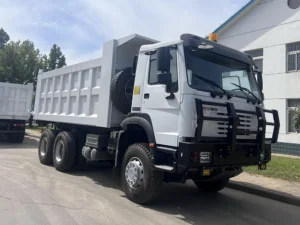
Procuring dedicated mining heavy-duty haul trucks represents a huge capital investment with long-term operational implications. Proper equipment selection guarantees high output and efficient mine operation for years to come; poor choices lead to frequent downtime, exorbitant maintenance expenses and severe safety hazards. Drawing on decades of global mining industry practical experience, this article systematically sorts out critical risk prevention points throughout the procurement process to support sound decision-making.
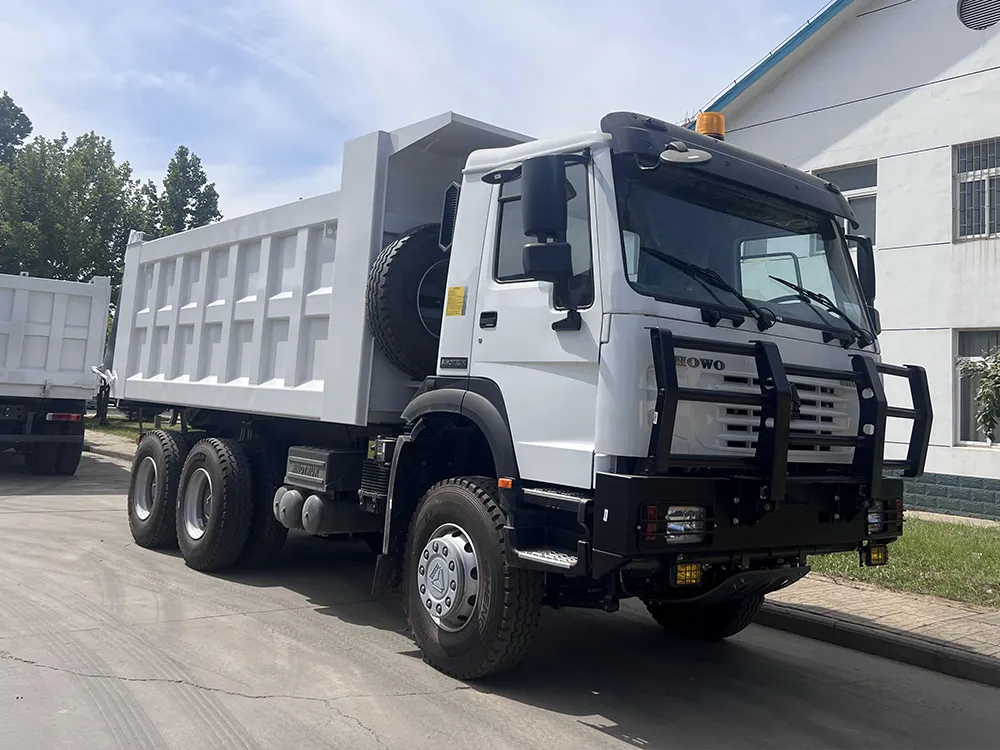
Model Selection: Working Condition Matching Is the Top Priority
Larger Tonnage Does Not Equal Higher Efficiency
Many purchasers mistakenly believe higher tonnage delivers superior productivity. In reality, truck payload must match the bucket capacity of loading equipment (excavators, loaders, etc.). The optimal matching ratio is filling one haul truck with 4 to 6 bucket loads from the loader. Excessively large tonnage prolongs loading cycles, while undersized trucks result in drastically increased transport trips, ultimately lowering overall efficiency.
Risk Prevention Tip: Confirm the model of primary loading equipment first, then calculate the optimal truck payload based on loading cycle times.
Balance Between Dump Body Volume and Rated Payload
Common issue: Buyers opt for high-payload trucks yet overlook the heaped volume of the dump body. An oversized dump body causes overloading, damaging the frame, suspension and tires; an undersized dump body wastes available payload capacity.
Risk Prevention Tip: Calculate dump body volume according to the loose density and angle of repose of transported materials. For high-density ore transportation, select low-profile, wear-resistant dump bodies; for low-density overburden haulage, extended-height bodies are acceptable.
On-Site Verification of Power Configuration
The theoretical gradeability and maximum speed quoted by suppliers are tested under ideal conditions. Actual mine road gradients, altitudes and pavement conditions vary greatly. At elevations above 2,500 meters, diesel engines suffer a 15%–30% power loss.
Risk Prevention Tip: Request real-world operation data of identical truck models at comparable altitudes and road conditions from suppliers, or arrange on-site field trials.
Technical Review: Overlooked Details Determine Total Cost of Ownership
Dump Body Material and Structural Design
Dump body abrasion constitutes one of the biggest variable costs for mining trucks. Ordinary steel plates have a service life 3 to 5 times shorter than high-strength wear-resistant steel (e.g., Hardox 400/500). Furthermore, structural design features including reinforcing ribs, buffer strips and anti-sticking liners directly mitigate impact damage and material adhesion residue.
Risk Prevention Tip: Specify the exact material grade and plate thickness for the dump body. Inspect internal sharp corners prone to material buildup and demand impact resistance simulation reports from the supplier.
Tire Selection and Supply Chain Assurance
Tire costs account for 10%–15% of the total truck purchase price and represent critical consumables. Tires with different tread patterns (E-4, L-5, etc.) and ply ratings differ drastically in heat resistance, cut resistance and wear resistance. Many procurement contracts only state “standard-equipped tires”, yet low-grade alternatives are delivered upon arrival.
Risk Prevention Tip: List tire brand, model, ply rating and tread pattern separately in the contract. Confirm whether the supplier maintains local inventory of commonly used tire sizes.
Electronic Control and Diagnostic Systems
Modern heavy-duty haul trucks rely on ECM (Engine Control Module) units to govern engines, transmissions and braking systems. Non-original or outdated diagnostic software triggers misinterpretation of fault codes and extends downtime. Some low-cost models adopt closed diagnostic systems that only allow repairs by authorized distributors, driving up spare parts and labor costs sharply.
Risk Prevention Tip: Mandate a standard open diagnostic interface and complete maintenance manuals. Stipulate lifetime free access and free lifetime updates of diagnostic software within the contract.
Supplier Evaluation: Price Comparison Alone Is Insufficient
On-Site Inspection of Delivered Equipment
Reference client lists provided by suppliers do not always reflect genuine product quality. Existing clients often refrain from sharing negative feedback to preserve business relationships.
Risk Prevention Tip: Conduct site visits to at least two mines operating the same truck model for more than 5,000 operating hours. Key inspection items include frame cracks, fatigue at welding joints, cab sealing performance and aging conditions of electrical wiring harnesses.
Spare Parts Lead Time and Response Speed
Each hour of equipment downtime can cost a mine thousands of US dollars. The scale of the supplier’s local spare parts warehouse and replenishment cycle are decisive factors. Many vendors promise a 24-hour spare parts response, yet actual delivery takes weeks due to overseas sourcing.
Risk Prevention Tip: Attach a full spare parts list and minimum local inventory quantity requirements to the procurement contract, with liquidated damages clauses for stockouts.
Qualifications of After-Sales Service Engineers
Maintenance of mining haul trucks requires certified professional technicians. Many suppliers deploy service engineers with only brief training, incapable of troubleshooting complex hydraulic or electronic control failures.
Risk Prevention Tip: Request qualification certificates, professional certifications and working years of the supplier’s service team. Set a maximum allowable fault resolution time limit in the contract.
Inspection and Delivery: Final Quality Checkpoint
Delivery Inspection Checklist
Cross-check nameplate data against contracted model specifications
Inspect fluid levels and conditions of engine oil, hydraulic oil, coolant and brake fluid
Start the engine and check for abnormal noise, oil leakage and air leakage
Test empty and full-load lifting durations of the hoist system
Verify tire production dates to avoid aged stock tires
Confirm reasonable hour meter readings (new trucks generally record fewer than 5 operating hours)
Trial Operation Period
Even after formal acceptance, latent defects may surface during initial operation. The industry standard trial period is 30 calendar days or 200 operating hours, whichever comes first.
Risk Prevention Tip: Reserve contractual rights to reject, replace the truck or claim extended warranty coverage if major malfunctions occur within the trial operation window.
Conclusion
Procuring mining heavy-duty haul trucks is far more than a simple equipment purchase; it establishes a long-term production support system. Every stage, from working condition matching and technical review to supplier qualification vetting and contractual clauses, contains details that shape the total cost of ownership. The above risk avoidance guidelines help streamline the procurement process and select reliable haul trucks tailored to specific mine site requirements.